Acute Physical Consequences
FGM/C is often performed without anesthesia and under unsanitary conditions. Immediately after the procedure, it can lead to severe pain, heavy bleeding, infections, shock, and, in the worst cases, death.


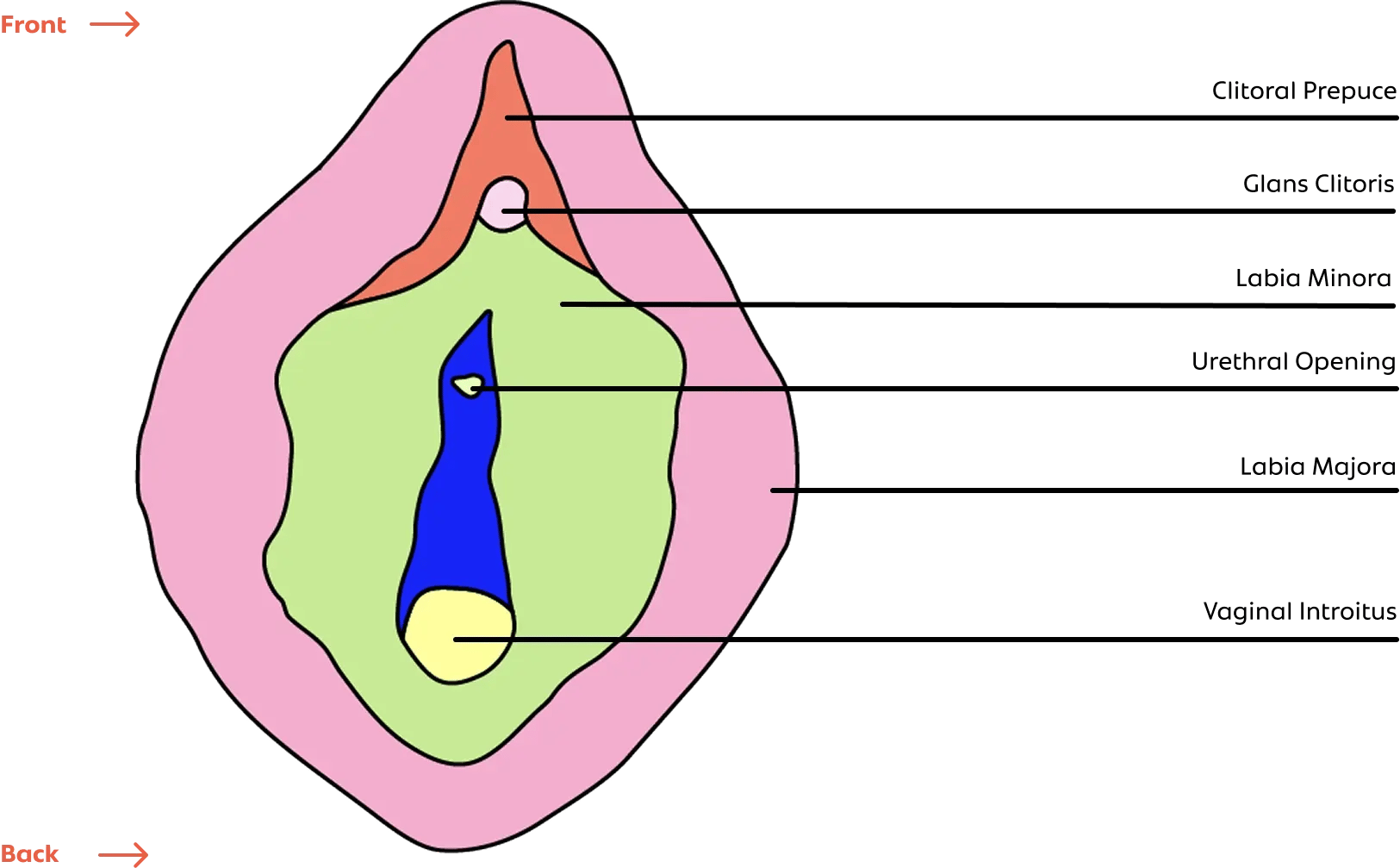
Partial or complete removal of the external and visible part of the clitoris and/or the clitoral hood (the fold of skin that surrounds the clitoral glans).


Removal

Seams

Puncture

Any other injury, including pricking, piercing, cutting, scraping, burning, and cauterization of the genital area.
Partial or complete removal of the external and visible part of the clitoris and the inner labia (the inner folds of skin of the vulva), with or without removal of the outer labia (the outer folds of skin of the vulva).

Removal
Seams
Puncture
Any other injury, including pricking, piercing, cutting, scraping, burning, and sclerotherapy of the genital area.
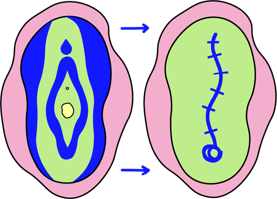
Infibulation. Narrowing of the vaginal opening by creating a covering closure. This closure is created by cutting and repositioning the inner or outer labia. Sometimes this is done by suturing, with or without removal of the clitoral hood and the glans clitoris.
Removal
Seams
Puncture
Any other injury, including pricking, piercing, cutting, scraping, burning, and cauterization of the genital area.
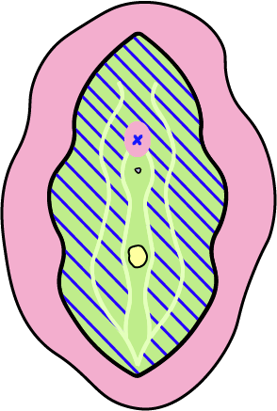
All other harmful procedures performed on the female genitalia for non-medical purposes, such as pricking, piercing, cutting, scraping, and cauterizing the genital area.
Removal
Seams
Puncture
Any other injury, including pricking, piercing, cutting, scraping, burning, and cauterization of the genital area.

Acute Physical Consequences
FGM/C is often performed without anesthesia and under unsanitary conditions. Immediately after the procedure, it can lead to severe pain, heavy bleeding, infections, shock, and, in the worst cases, death.

Psychological Consequences
Many survivors experience FGM/C as a traumatic procedure. Common consequences include anxiety disorders, depression, sleep problems, post-traumatic stress disorder, and long-term emotional trauma.

Long-term health effects
FGM/C can cause lifelong health problems. These include chronic pain, infections, scarring, problems with urination or menstruation, incontinence, and infertility.

Limitations on sexual health
Injury to the genital area can lead to pain during sexual intercourse, reduced sexual sensation, and other impairments to sexual health.

Complications During Pregnancy and Childbirth
FGM/C increases the risk of serious complications during pregnancy and childbirth. These include difficult deliveries, severe bleeding, and health risks for both the mother and the child.

Social Impacts
In addition to the physical and psychological consequences, FGM/C often affects the social lives of those affected. Shame, stigmatization, social pressure, and a lack of access to support can lead to isolation, limited participation in society, and difficulties in leading a self-determined life.
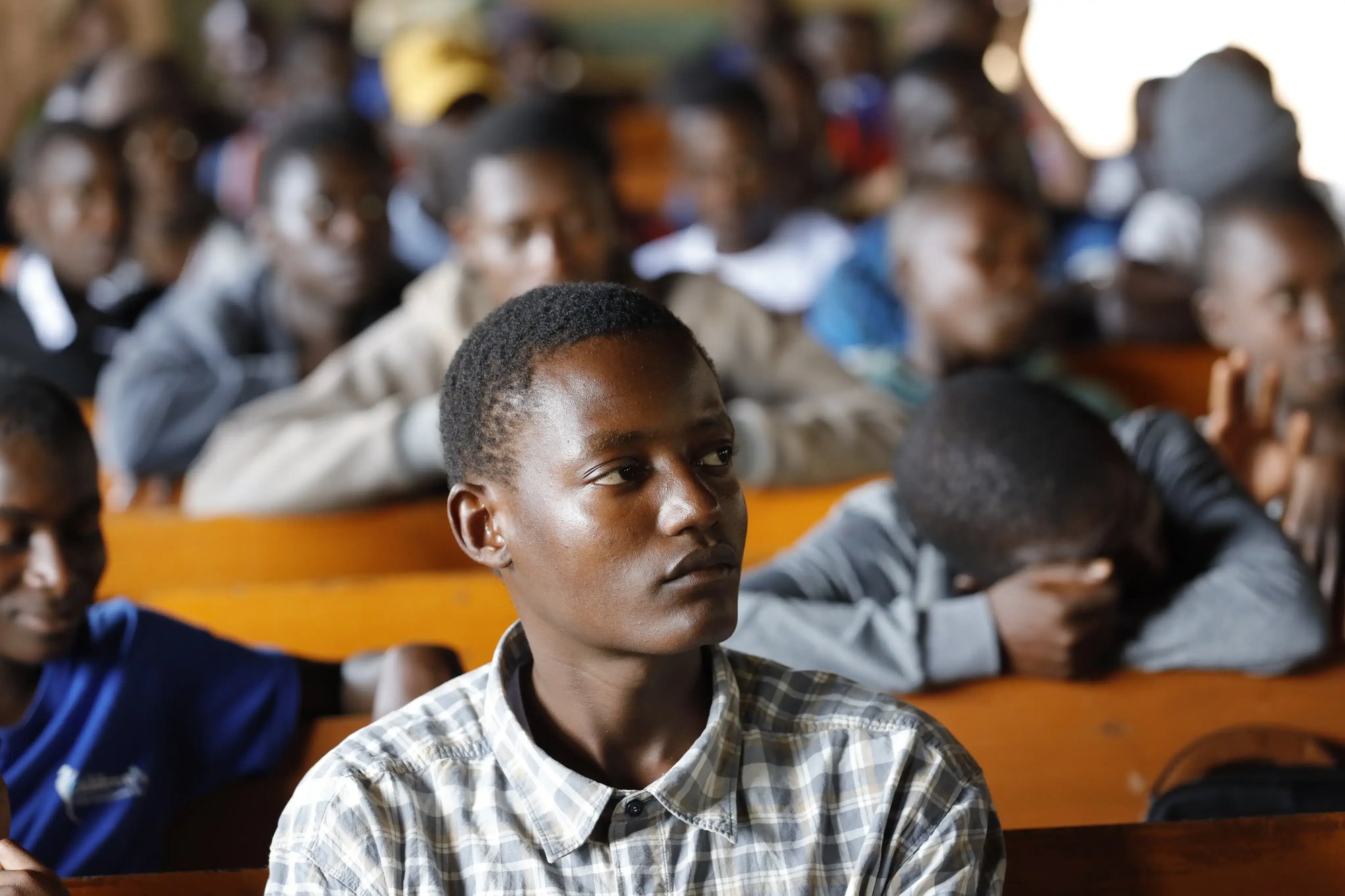
With the “Prohibition of FGM Act,” FGM/C was outlawed in Kenya in 2011, including cross-border practices. Nevertheless, social norms and pressure within individual communities continue to hinder the enforcement of the law to this day.
In addition to government initiatives, local organizations and communities are working to protect at-risk girls - including through safe shelters, a variety of educational programs, and alternative rites of passage that do not involve violence.
FGM/C is not practiced equally throughout Kenya, but is particularly prevalent in certain regions and communities. In total, there are 22 so-called “FGM/C hotspot counties” in the country. FGM/C is particularly widespread in parts of northeastern and northern Kenya, in some regions of central Kenya, and in the southwest and west of the country. These include, among others, the counties of Wajir, Mandera, Garissa, Marsabit, Samburu, Isiolo, Kajiado, West Pokot, Kisii, and Migori.
According to the 2022 Kenya Demographic and Health Survey (KDHS), approximately 15% of women aged 15 to 49 in Kenya have undergone female genital mutilation/cutting (FGM/C). This represents a significant decline in recent years; in 2014, the prevalence was still 21%. Nevertheless, there are major regional differences, and in some communities, FGM/C remains deeply entrenched.
Prevalence rates are particularly high in the counties of Wajir (97.2%), Mandera (95.9%), Marsabit (83.0%), Garissa (82.5%), Kisii (77.3%), Samburu (75.6%), Nyamira (74.7%), Isiolo (66.0%), and Tana River (60.1%). Rates also remain high within individual ethnic groups, including the Somali, Pokot, Kuria, and Maasai communities.
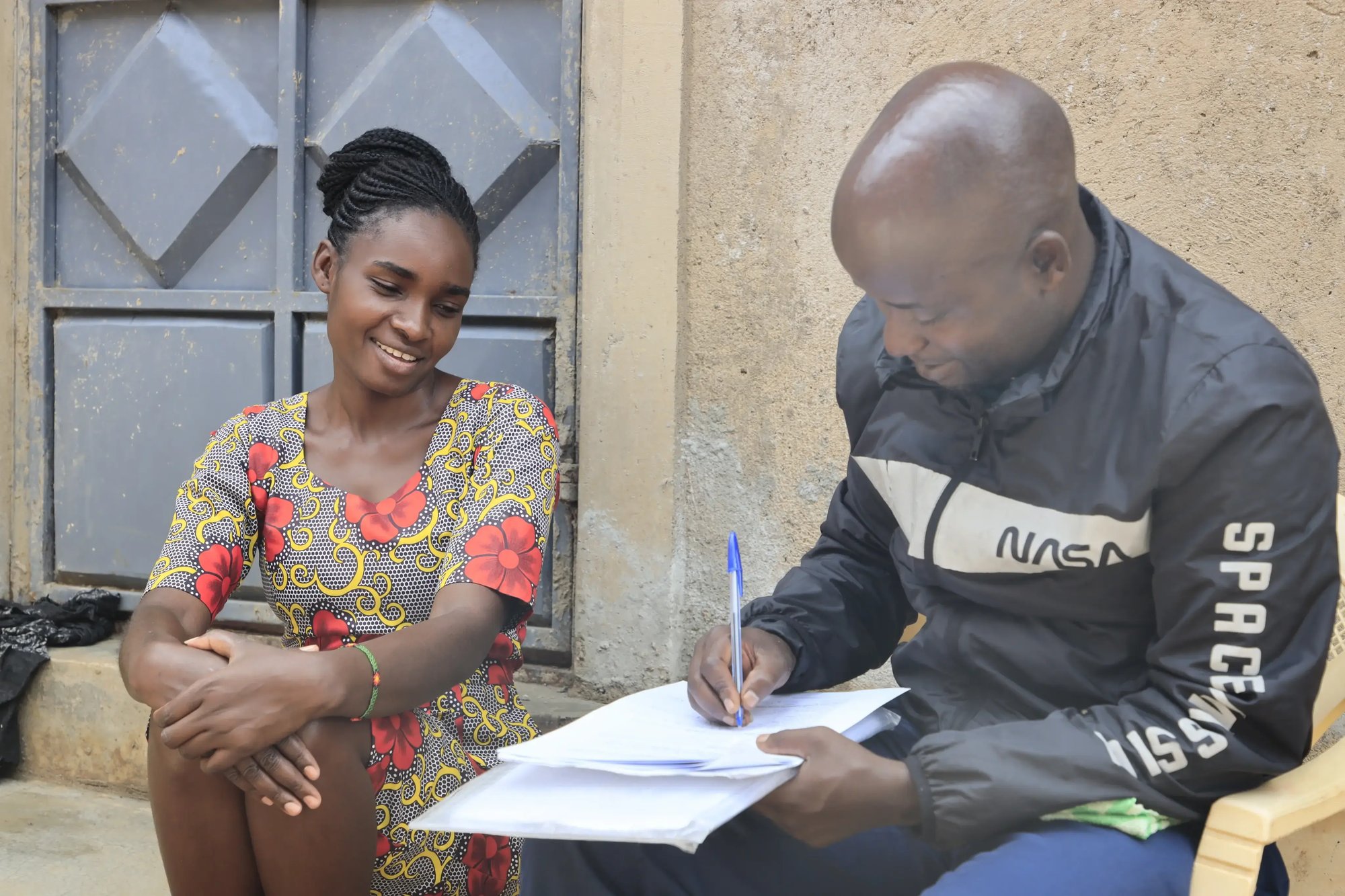
Female genital mutilation/cutting (FGM/C) is prohibited by law in Germany and has been classified as a separate criminal offense since 2013 (Section 226a of the German Criminal Code [StGB]). Performing FGM/C is punishable by imprisonment and is classified as a serious human rights violation.
The law applies even if the procedure is performed outside of Germany. Parents, relatives, or other involved individuals may face criminal prosecution if girls are taken abroad for FGM/C. The aim of the legislation is to protect girls and women and to strengthen their right to physical integrity.
The Protection Letter against female genital mutilation/cutting (FGM/C) provides information on the legal situation in Germany and serves as a resource for at-risk girls and their families.
According to estimates by TERRE DES FEMMES, there are currently around 104,000 girls and women in Germany who have undergone female genital mutilation/cutting (FGM/C). An additional 17,300 girls are considered to be at potential risk. These numbers make it clear that FGM/C is by no means a thing of the past in Germany either, and that there remains a great need for prevention, protective services, and support for affected women.